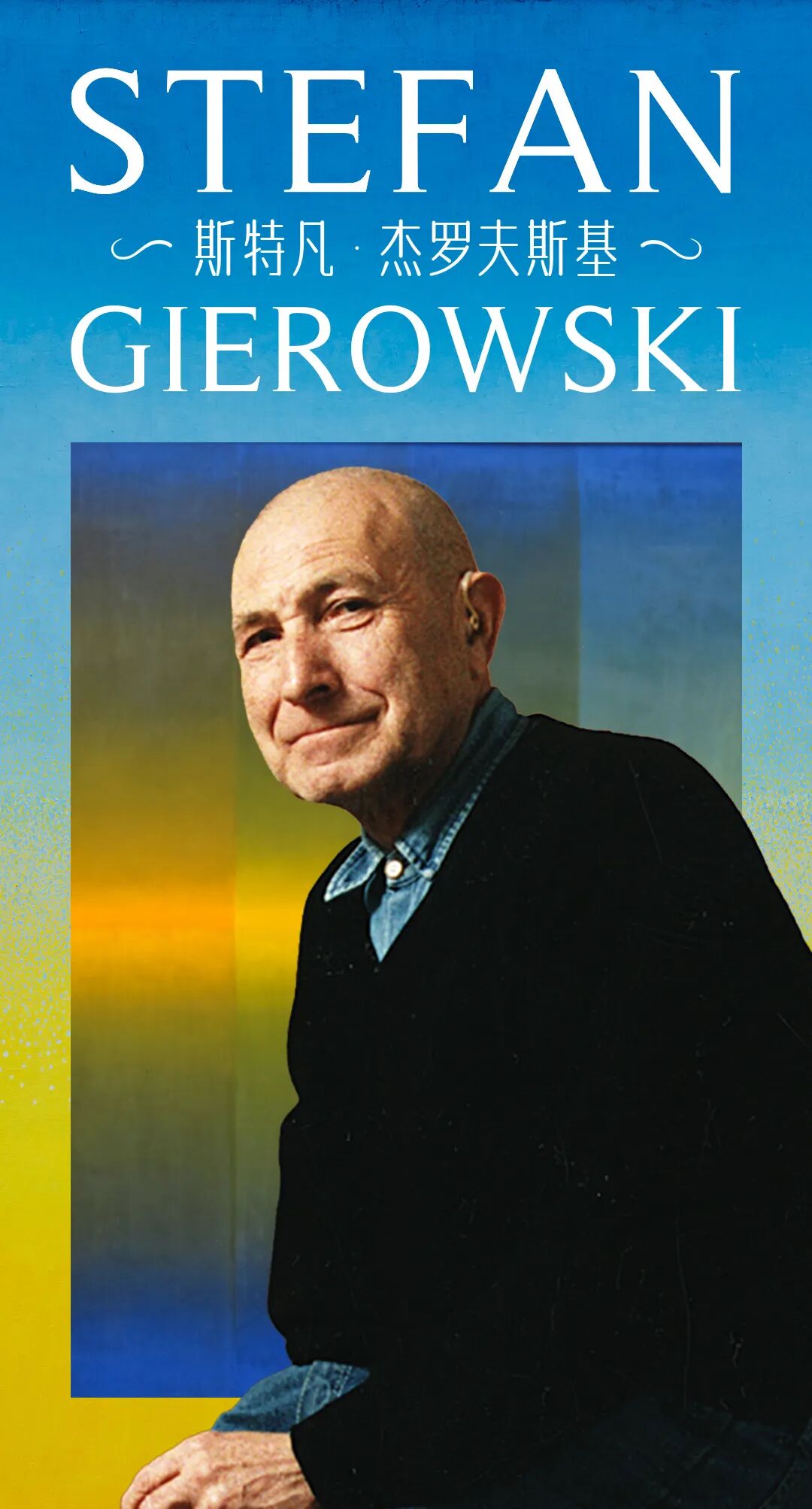
Eight Moments of Stefan Gierowski: A Teddy Bear, an Ashtray, History of Chinese Art…
Bringing Gierowski's retrospective to Shanghai is far more than a belated correction. When the galleries of the Fosun Foundation are titled “That's How the Light Gets In”, what we encounter is not the healing light that seeps through the crack in Leonard Cohen's song, but a primordial light with the power to shape the world itself. It is at once the physical trajectory of Sputnik crossing the Polish night sky in 1957, and the philosophical emptiness of Laozi's dictum: "When the vessel is empty, it is useful."
This is precisely the most subversive moment of the exhibition: an artist long situated in the "other half" of Europe by Western narratives completes, within a Chinese context, an elegant rebuttal to Western-centric modernism.
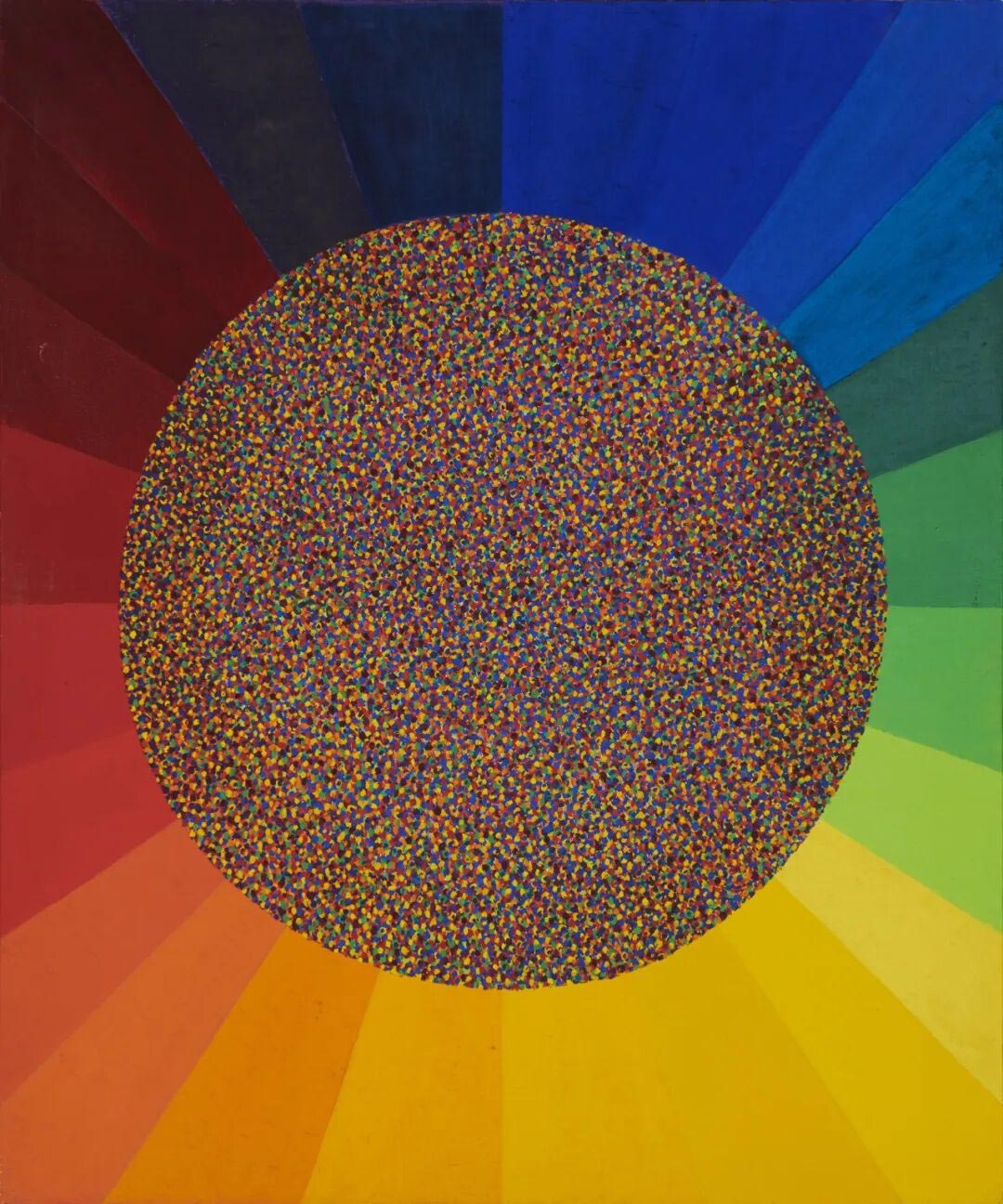
As early as the 1960s, Gierowski asserted that Polish avant-garde art was not a tributary of Paris or New York, but an independent current running parallel to them. The Rothko Museum’s decision in 2023 to exhibit him alongside Rothko, and Centre Pompidou curator Michel Gauthier’s inclusion of him within the European avant-garde lineage, may be read as overdue institutional recognition. Yet in Beijing, Guangzhou, and Shanghai, Chinese audiences hardly need that validation to begin with. In the irreversible gesture of watercolor, and in the long Roman numerals that title his works, viewers here recognize something already close to an Eastern sensibility of long-term devotion — not the rapid iteration a market demands, but a lifetime's cultivation measured in decades: a deep trust in process, quietly folded into what looks, at first glance, like one precise and beautiful decision.
Curator Philip Dodd divides “light” into four dimensions—science, philosophy, perception, and materiality. Yet what distinguishes this exhibition from its European and American counterparts are the humble personal objects displayed in vitrines. These are not relics, but material embodiments of Gierowski’s worldview: worn shoes resoled repeatedly, signaling a detachment from material possession; the hair he shaved off in a single irreversible act, a private footnote to decisive transformation; Beethoven resonating from vinyl records, revealing the energetic source of his aesthetic universe. As Natalia, his granddaughter, recalls: “You always heard the music before you saw him.” The order is reversed here—not the artist choosing the theme, but light and frequency choosing the artist.
Standing before paintings titled with nothing but numbers, what a viewer truly meets is not formalist abstraction, but a lifelong attempt to translate the paradox of a universe both finite and boundless into the syntax of paint. What Gierowski leaves behind isn't merely a style, but a method: a belief in slowness; a belief in the accumulated density of time folded into numbered sequences; a belief that emptiness and light are equally substantial elements within a painting. Inside China's own natural affinity for watercolor, and its cultural memory of blankness and void, this method finds an echo that has been waiting a long time to be heard.
The exhibition runs from December 19, 2025, to January 18, 2026 — a matter of weeks, no more. But the light inside these works won't extinguish on the closing date. As Gierowski himself once said, “light gives birth to all things”. Perhaps that is the earliest revelation he has to offer 2026.
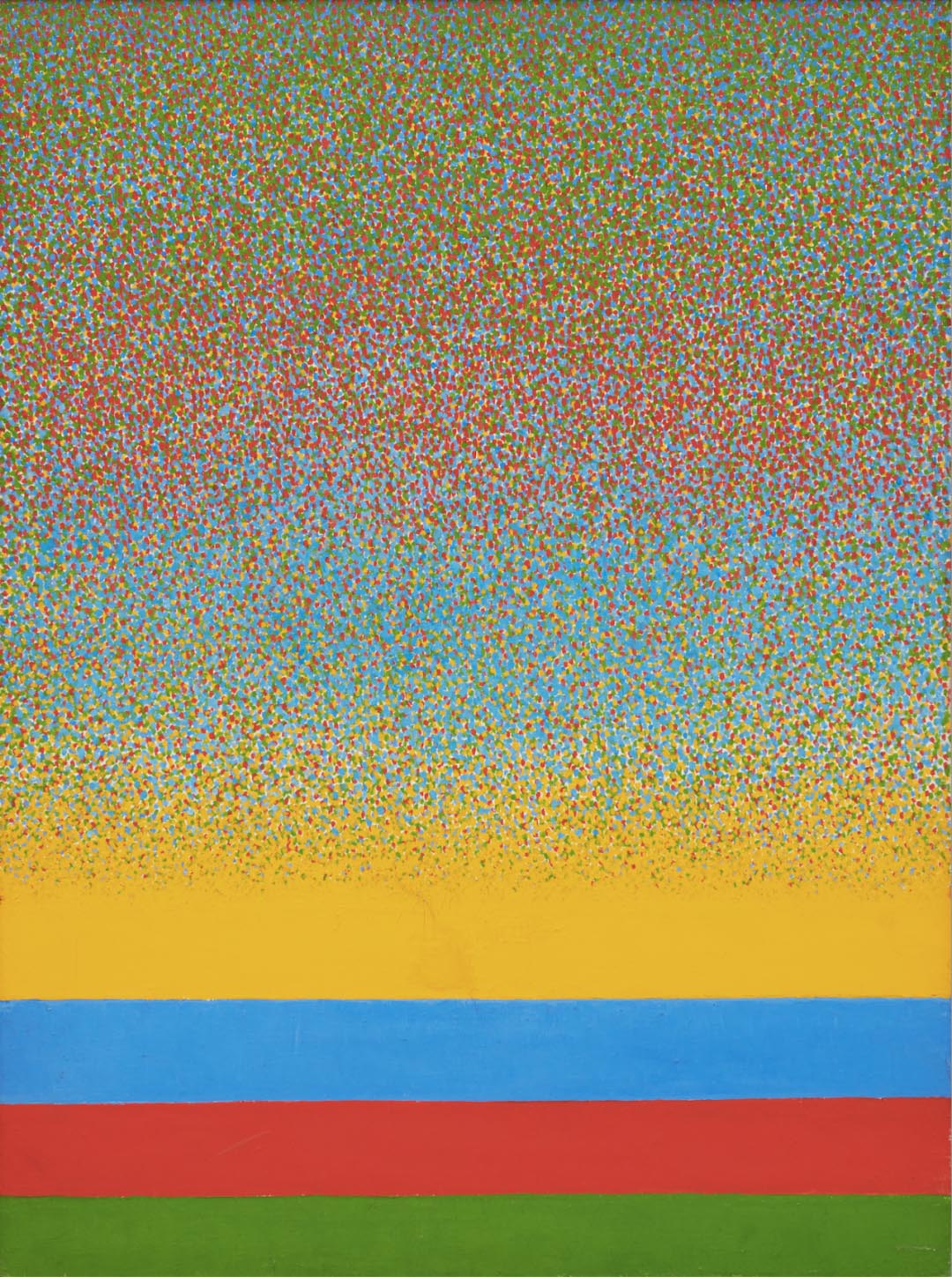
Painting CCLXVI ,Stefan·Gierowski,1971,oil on canvas,100.2 × 74.7 cm
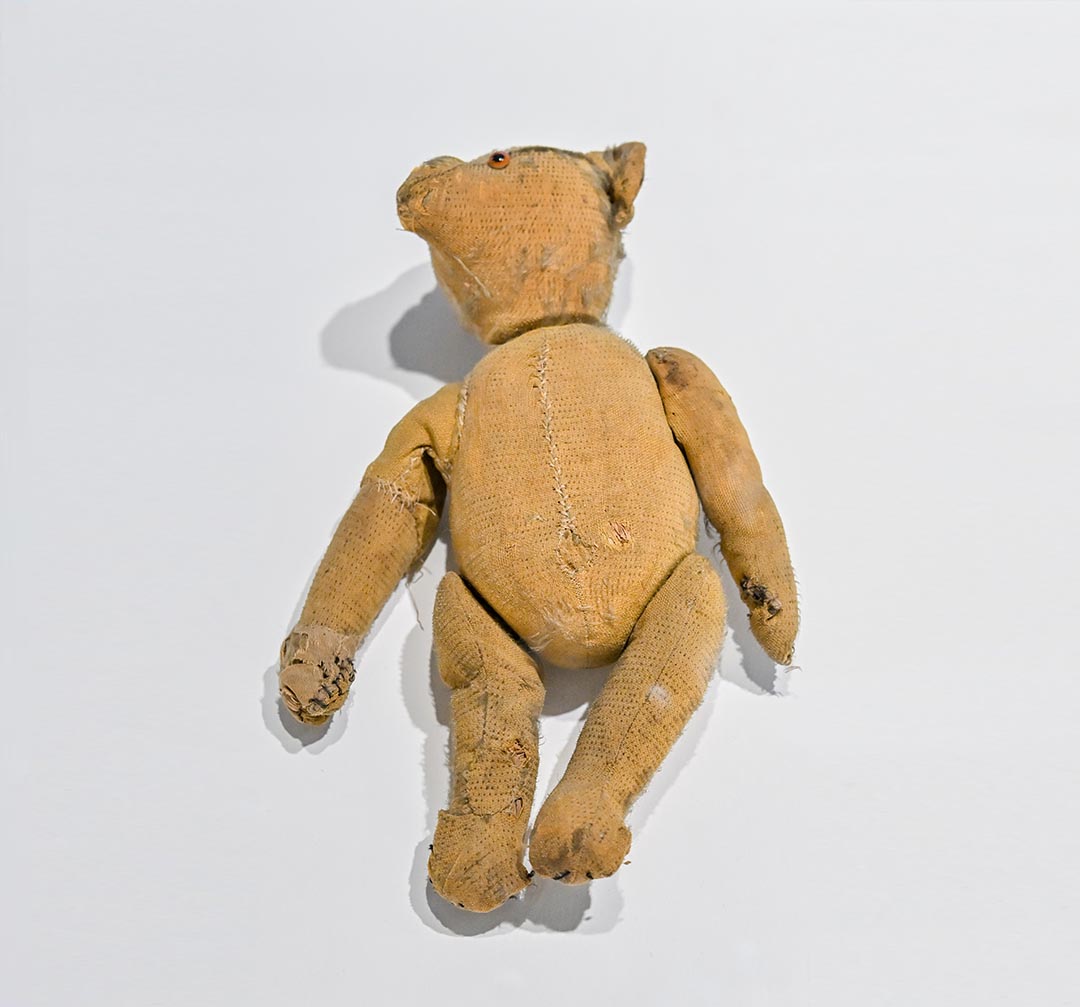
Teddy bear from childhood
This teddy bear belonged to Stefan Gierowski from his early childhood. During WWII, when Gierowski joined the Polish Resistance as a teenager against Nazism, the teddy bear was repurposed: secret documents were hidden from the Nazis by being sewn into the toy's belly.
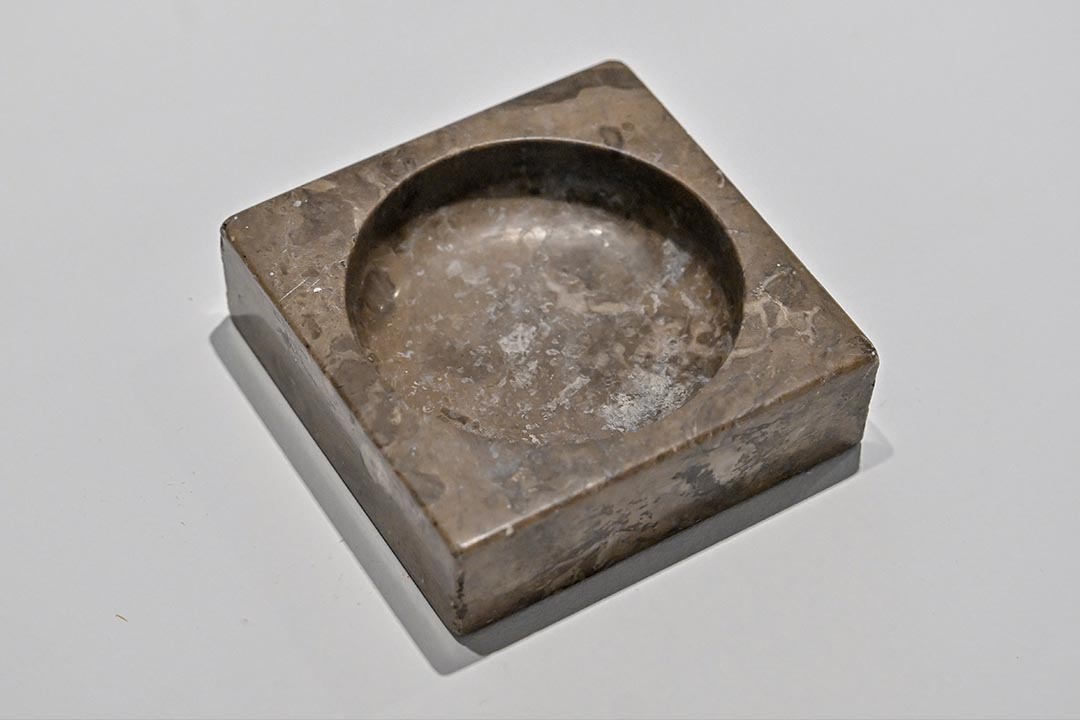
Ashtray
A heavy, simple-formed marble ashtray could be found in his studio. He did not smoke while painting but afterwards would sit on a high stool to assess the work. Then he would light a cigarette.
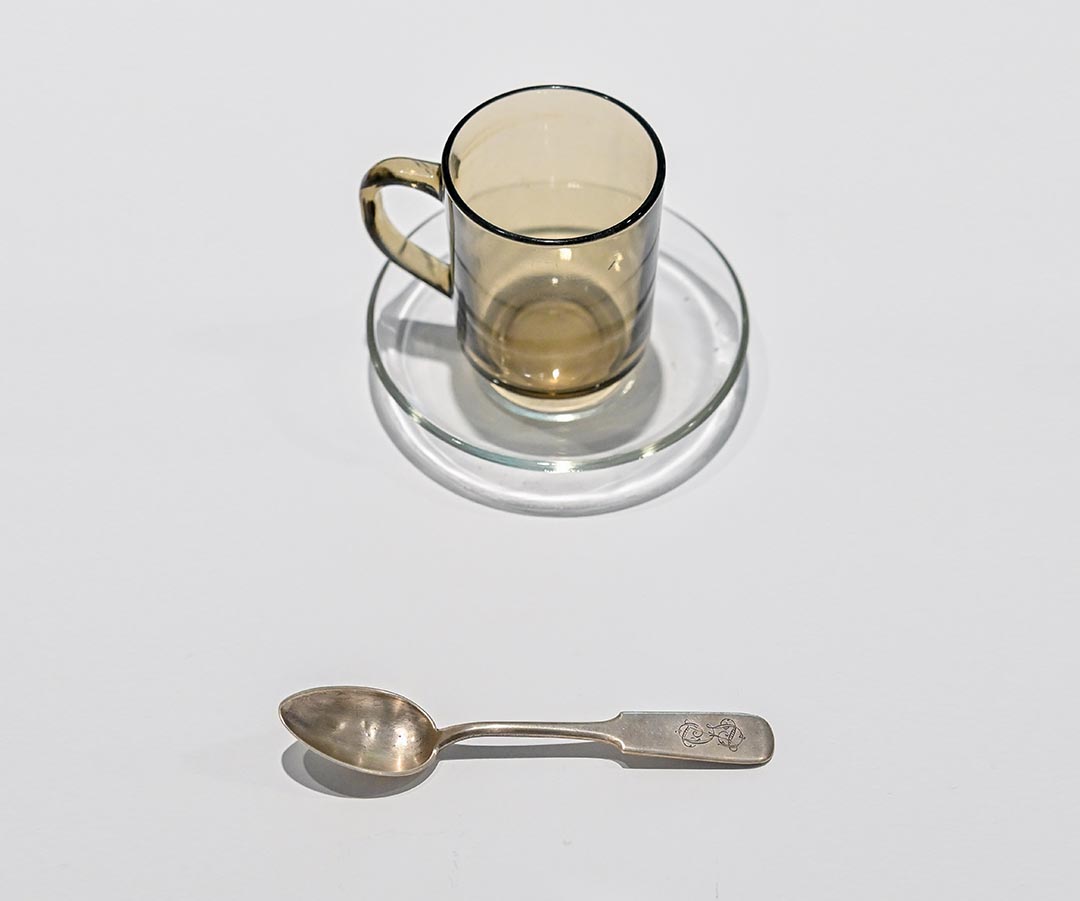
Glass, Saucer,Spoon
Stefan Gierowski received this spoon adorned with his grandmother's initials (Z.G."- Zofia Gierowska) as a present from his father.The Gierowski family can be traced back to the XIl century and is well-known in the history of modern Poland.
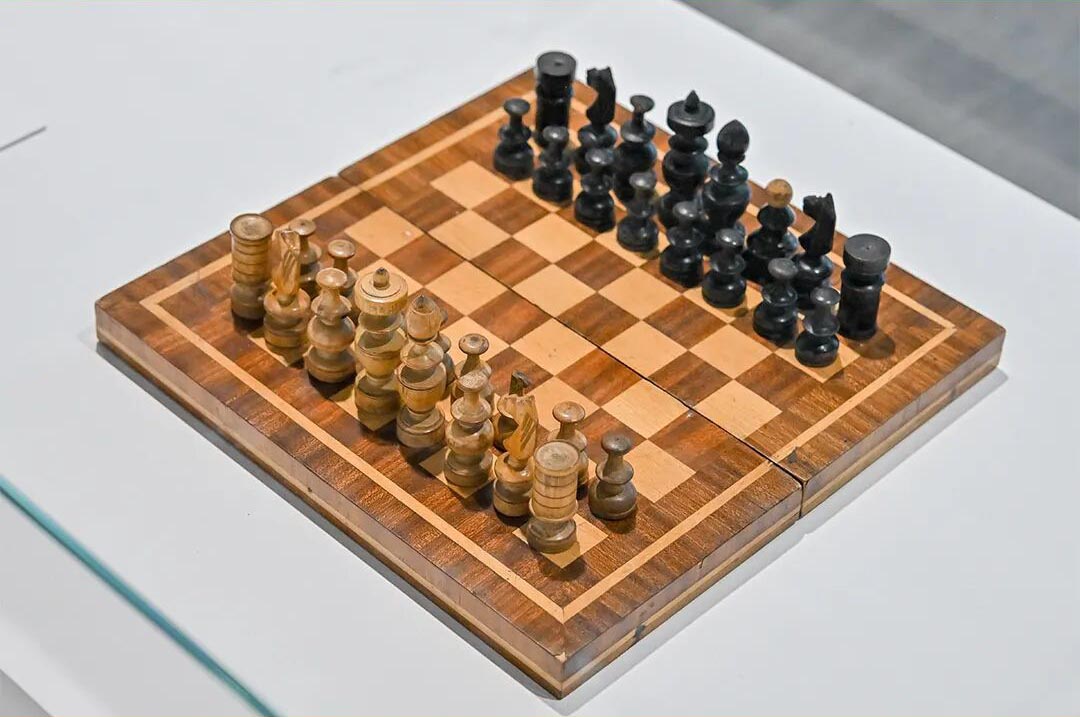
Chess
Gierowski played chess at least several times a week against various opponents, mainly visiting friends, including artists he knew. A game of chess presented an opportunity to conduct philosophical reflections on art, history and science.
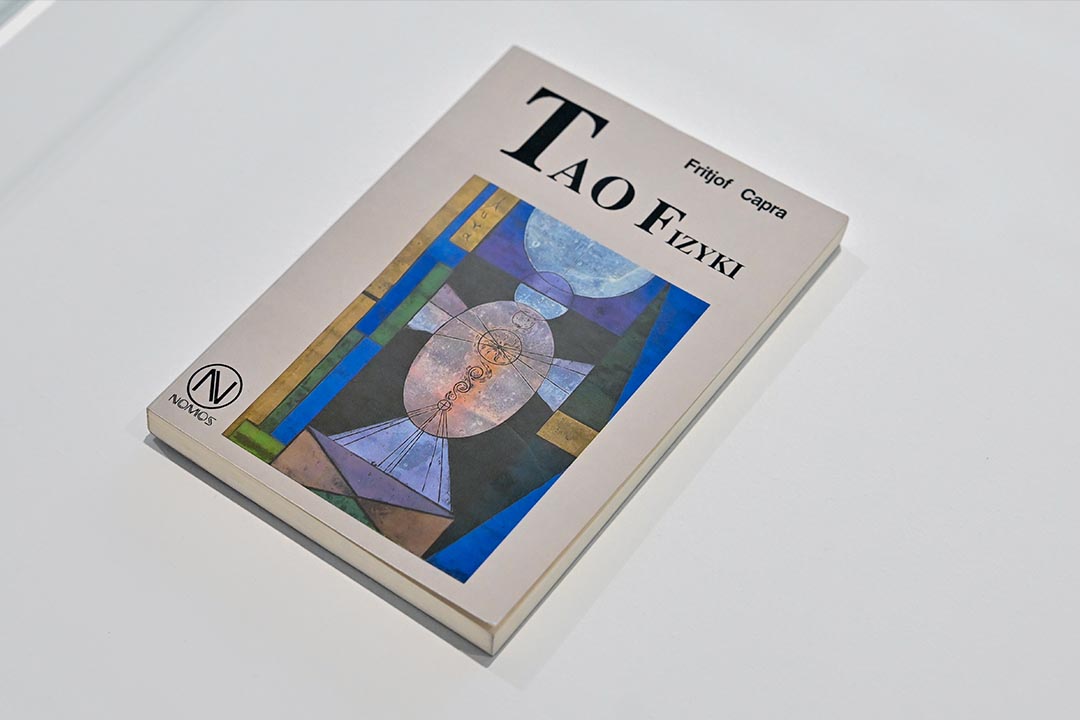
TAO FIZYKI
Gierowski was passionate about theoretical physics, but he believed true painting is created at the intersection of physics and metaphysics.This famous study connected the Tao and contemporary physics.
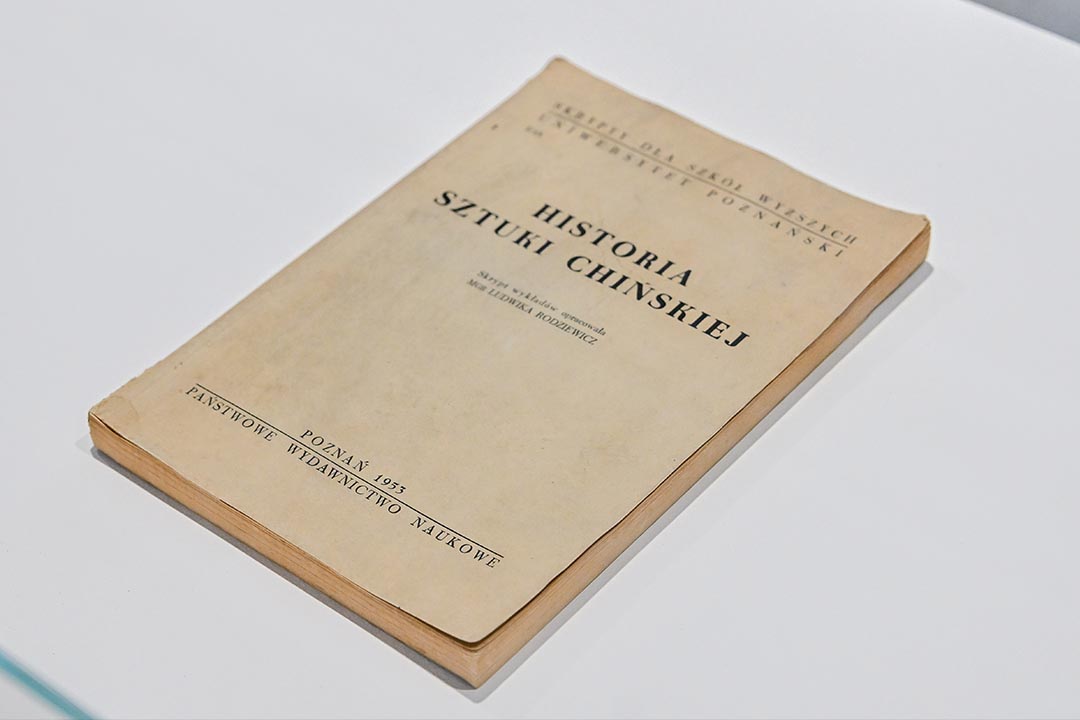
History of Chinese Art
"History of Chinese Art" (1953), part of Stefan Gierowski's library, was one of the few studies that dealt with this topic in Poland in the 1950s.
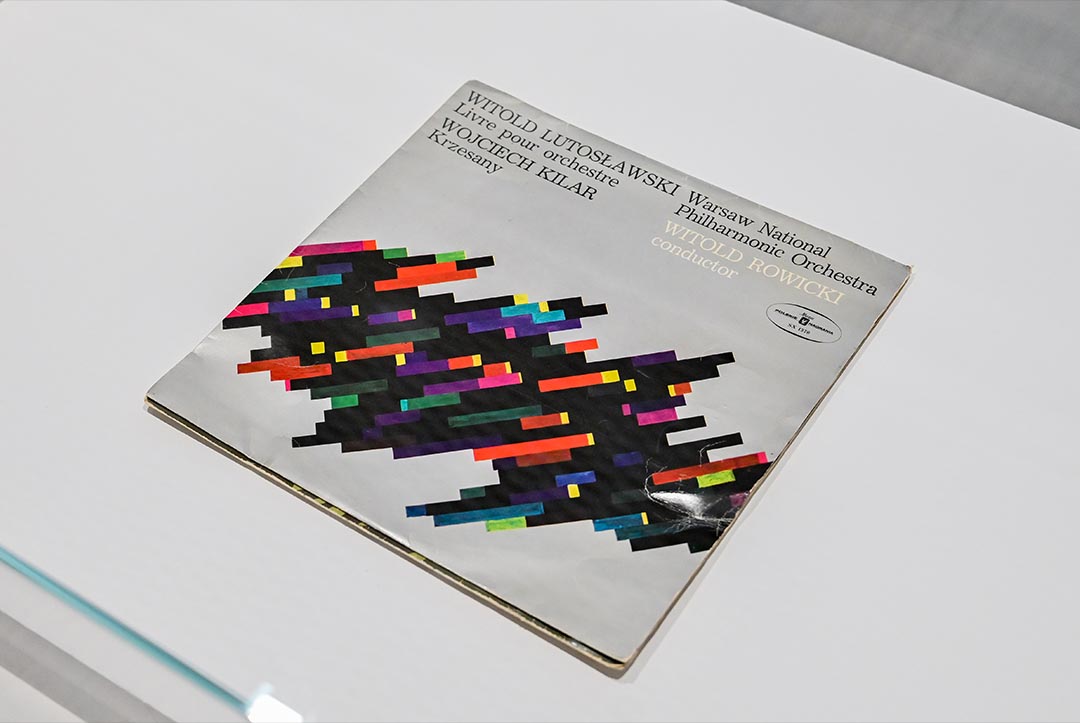
Vinyl album
Gierowski was close with Witold Lutostawski, whose compositions he highly regarded. The artist considered Lutoslawski's approach to music as truly avant-garde.
He maintained friendships with numerous musicians, among them the Polish composer, Penderecki. Out of foreign composers, he was most impressed with the achievements of Schoenberg, Stockhausen and Cage. Later, he acquainted himself with the work of Philip Glass and Arvo Part.
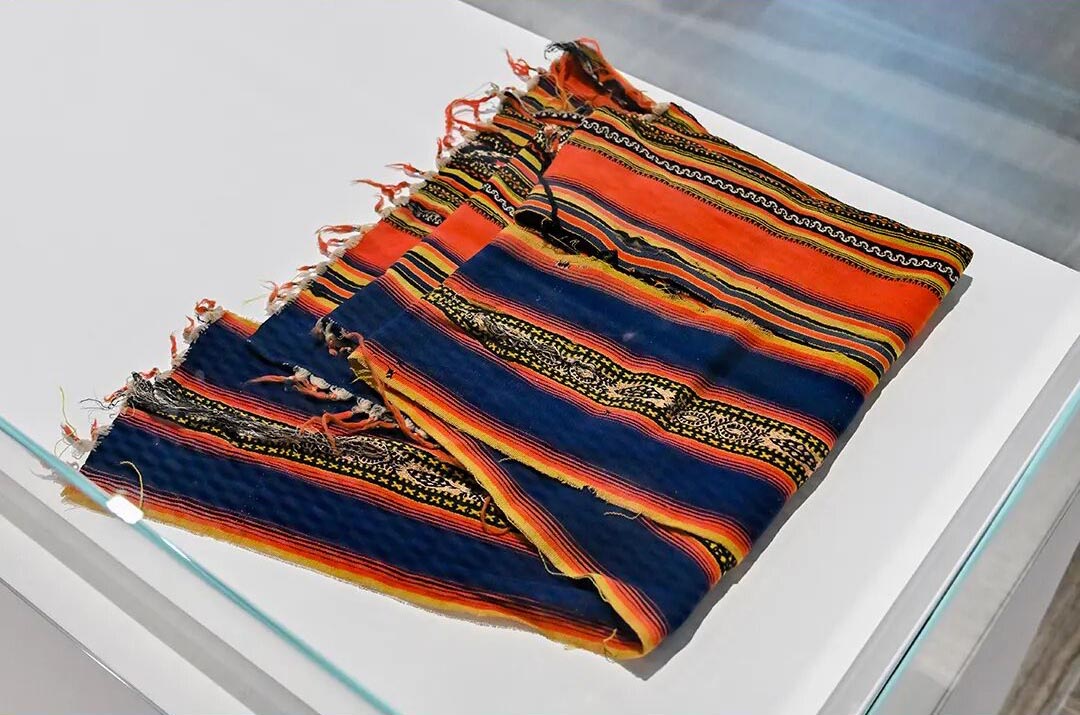
Scarf
A hand-woven textile, a so-called "zapaska" worn by women, characteristic of the Swietokrzyskie Mountain folklore where Gierowski grew up. He was very impressed by their colors. In Kielce, it was common to see women wearing the fabric as a shawl or scarf.
Q:In your view, what are the most significant differences between Polish artists and other Western artists? Within the context of Polish art history, how would you describe your grandfather’s unique position and significance?
A:The separation between Poland and “the West” is a somewhat problematic distinction. We are Europeans, and therefore viewing my Grandfather as an exclusively “Polish” artist is misleading. This is a taxonomy we actively resist. Instead, we seek to situate him simply as an important and inventive representative of the European avant-garde, rather than framing his work as part of a narrowly defined “Polish avant-garde,” which is a restrictive term.
Of course, the division between the “West” and the “East” was significantly deepened after Poland came under Russian control following World War II. This contributed to the Polish art scene after 1945 becoming more insulated and peripheral. At the same time, the absence of a commercial art market meant that Polish artists were able to explore their interests without the limitations imposed by market demand, galleries, or museums. As the renowned art historian David Anfam – author of Mark Rothko’s catalogue raisonné – once remarked about my Grandfather, Poland’s historical isolationism likely enabled Stefan Gierowski to develop such a prolific artistic language and allowed his imagination to flourish without constraint.
I once asked my Grandfather the following question:
He replied:
“There is no such question. The question is misplaced, because what was happening here was happening simultaneously—and in some cases, it was happening earlier. Take spatial forms as an example: they appeared here first, and later there. The same applies to environments—this kind of work existed here earlier, and only later appeared there.”
He went on to cite further examples:
“In theatre, Cricot 2 was among the most modern and avant-garde theatres of its time. In music as well, what was happening here was at the forefront. Those who later achieved great success there often began here—they carried these ideas with them, rather than importing them from elsewhere. Conceptualism existed both in Poland and internationally. Artists associated with Neo-Neo, whom I knew personally, achieved great success worldwide. Zieliński’s work, for example, is extremely interesting. What Andrzej Wróblewski was doing was not a repetition of something coming from the West.” He concluded: “It is good that the question is being asked, but it must be said clearly that there was no simple hierarchy—we were moving in parallel with them, and at times we were even ahead.”
Q:We know that your grandfather’s artistic practice reflects, to a certain extent, the influence of Chinese culture on Western modern art. In this exhibition, we also see books he read during his lifetime, such as historia sztuki chinskiej. From your personal memories, beyond philosophical ideas, were there aspects of his daily life or artistic methods that were shaped by Chinese culture?
A:This may relate to many cultures, but since the question is asked in the context of an exhibition in China, it evokes the following associations:
– the decision to begin a cycle of numbered paintings, planned to last an entire lifetime, is associated with an Eastern way of thinking about strategy – one grounded in patience and a long-term vision, a grand plan that, through time and consistent work, yields lasting and meaningful results with broad impact;
– in this context: he was passionate about history and politics and was able to perceive them as broadly defined phenomena spanning centuries, traditions, and cultures, from which he drew conclusions – often with surprising precision– in relation to current events (he was able to accurately predict the consequences of various state-level decisions on an international scale);
– the above translated into his fondness for chess, which is based on anticipating the opponent’s moves;
– the philosophy of “one precise / beautiful decision” may also carry Eastern connotations; it is visible throughout his entire body of work (and in many life decisions), and is particularly evident in his works on paper using water-based techniques, where any correction is extremely difficult; this is most clearly seen in works devoted to the theme of the line;
– he did not attach importance to material possessions; he wore comfortable shoes until they were completely worn out before buying new ones, lived rather modestly, and devoted himself to the idea of painting and to the well-being of the artistic community;
– humorously, but also quite seriously, in relation to “decisive choices”: until around the age of forty he had relatively thick hair, but once he noticed it thinning, he cut it off from one day to the next and remained completely shaven for the rest of his life.
Q:Among the eight personal objects presented in the exhibition—such as the teddy bear, ashtray, and vinyl records—which one left the deepest impression on you? Which object is most closely connected to your own memories and emotions?
A:We lived in a multigenerational house run by my Grandfather and Grandmother, Anna. For many years, the entire family would gather there, and visits were frequent. For this reason, all of the objects presented in the exhibition are very familiar to me – I grew up alongside them. That said, the object that made the strongest and most tangible impression on me would be the vinyl records, or rather, the collection of vinyls. Gierowski was a great enthusiast of classical music (he also played the piano), and the entrance to the house where his studio was located was often accompanied by walls vibrating with Beethoven or Bach. You could hear my Grandfather before you could see him. You could find him by following the sound. What is also important to mention is that Gierowski treated every object in the house with great care and respect. Everything had its fixed, non-negotiable place, and it is likely for this reason that these objects have been so well preserved, allowing us to appreciate them today, this time across the globe, in China.
Q:As early as the 1950s, Stefan Gierowski began exploring the theme of “space” in his work. What factors or historical contexts do you think inspired this interest at the time? Looking back at these works today, has your emotional or intellectual response to them changed?
A:In 1957, Stefan Gierowski abandoned figurative painting—despite the recognition and success it had already brought him – as well as lyrical titles, in favour of non-representational art and paintings identified by Roman numerals, progressing incrementally. The historical context in which this decision was made coincided with the Cold War–era “Space Race”: the competition in space exploration between the two global hegemons operating within a polarised political system – the United States and the Soviet Union.
My Grandfather often recalled the constant presence of these cosmic developments in radio broadcasts and newspapers. However, he never referred to them as a direct or conscious influence on his own exploration of “space.” That said, Gierowski did not object to interpretations of his work that alluded to cosmic or spatial themes; on the contrary, he welcomed multiple readings.
The curator Michel Gauthier of the Centre Pompidou in Paris offered a compelling interpretation by suggesting parallels between my Grandfather’s work and that of Group Zero, arguing that Gierowski’s paintings were clearly engaged with ideas of the dynamo – kinetic and dynamic forces in constant motion. When Gauthier curated the exhibition Deep Impact, which examined these ideas in greater depth and positioned my Grandfather among key figures of the twentieth-century European avant-garde, Gierowski responded with approval.
Q:Your grandfather passed away in 2022, and in 2023 the Rothko Museum presented his solo exhibition Stefan Gierowski: From Here to Eternity. In your view, what kind of “eternal” value has he left to the world through his art?
A:The questions Gierowski explored through his art are, by their very nature, timeless, and therefore eternal. As long as humanity continues to evolve, fundamental inquiries into space, whether understood cosmically or through the lens of physics, will continue, or at least should continue, to preoccupy thinkers. These questions form the very pillars of our understanding of the universe, and it is within this realm of inquiry that my Grandfather’s work continues to resonate beyond its historical moment.
Q:Setting aside his identity as an artist, what kind of grandfather was he in your childhood memories?
A:My Grandfather was, by nature, a philosopher and a pedagogue – or rather, a Professor, as he taught at the Warsaw Academy of Fine Arts for several decades. His curiosity was insatiable and never selective. He studied deeply and across many fields, whether the humanities, the sciences, or music. He examined belief systems, bodies of knowledge, and customs from distant regions and cultures, using them as tools to question and analyse the world around him. This approach is evident in his art. His constant attentiveness to his surroundings translated into a tireless exploration of space, colour, form, and contrast. My Grandfather never accepted truisms; instead, he challenged and redefined accepted truths with a visionary belief in process, coupled with patience. His work was a lifelong project rather than a pursuit of immediate results or gratification.
This is the approach to life and work that my Grandfather taught me: to learn continuously, to question deeply, and to move slowly, with faith in one’s calling and purpose.
Q:For this exhibition, you worked closely with the curator Philip Dodd throughout the planning and preparation process. How do you think engaging so deeply with this artistic legacy will influence your own professional development and life path in the long term?
A:Engaging with my Grandfather’s legacy is what constitutes my professional life. My Grandfather’s lifelong goal was the creation of a Foundation in his name, that would play an active role in preserving his oeuvre and ensuring its continued life after his passing, as well as promoting other artists, particularly the young, contemporary scene in Poland. What separates The Stefan Gierowski Foundation from other Artist Estates is the involvement of the artist himself – Stefan Gierowski – in the conceptualisation of the shows, curatorial decisions and overall vision, as well as its dynamic nature: it produces 3-4 shows per annum. To obtain the goal of the continuation of his vision, he involved my cousin, Lucas Dybaski, and I in the structures of the Foundation. We are now the custodians of his vision and whenever in doubt we pause and ask: ‘What would Grandpa think about this?’.
Q:This exhibition marks the third stop of Stefan Gierowski’s retrospective in China, following presentations at the CAFA Art Museum and the Guangdong Museum of Art. Although the exhibition at Fosun Foundation in Shanghai is relatively brief, it still forms a compelling retrospective chapter. During the opening period, through conversations with art professionals and audiences, did you gain any new insights or unexpected experiences?
A:I was extremely pleased to learn that audiences consistently emphasized how strongly Gierowski’s works resonated with them. Prior to the exhibition, the curator Philip Dodd had anticipated that Gierowski’s oeuvre would be well received in China for several reasons –both metaphysical and philosophical, particularly in light of my Grandfather’s interest in Eastern thought, as well as formal and material aspects, such as scale and medium.
Living under Russian rule after World War II, my Grandfather’s access to materials was limited. The maximum size of his canvases was often dictated by practical constraints, such as the dimensions of prefabricated housing with low ceilings. At the same time, his preferred media were oil and watercolour. As is well known, watercolour and moderate formats resonate strongly with traditions of Chinese art, where they have historically functioned as vehicles for contemplation and introspection. It appears that this hypothesis was confirmed through the responses I received from visitors, many of whom recognised and connected with this contemplative quality in my Grandfather’s work.